
Rocket development builds on tried and true experience for new orbital missions
With Russian engines out of the picture, there’s a new Medium Launch Vehicle on the horizon that is US sourced with a fairing sized to launch constellations.

With Russian engines out of the picture, there’s a new Medium Launch Vehicle on the horizon that is US sourced with a fairing sized to launch constellations.


DoD uses FAR Part 12 acquisitions to save hundreds of millions of dollars in “of a type” systems like civil landing systems with applicability to military aircraft.

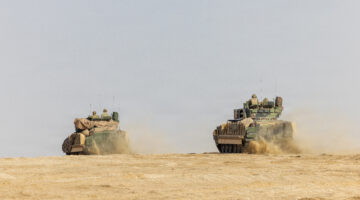
Army vehicles like Bradley need greater power at the sprocket for speed, braking, and manueverability.
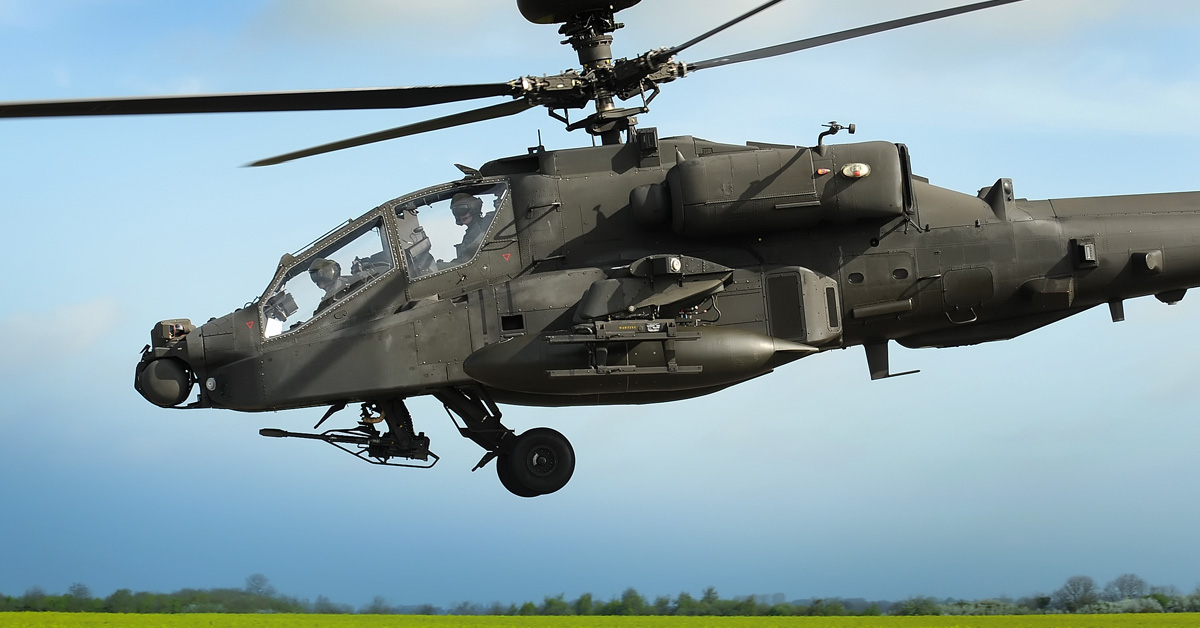
Overmatch is fleeting and while traditional acquisitions can’t always keep up with new threats, a different and approved practice can.

Innovative integration approaches and open systems architecture can bring revolutionary improvements to the performance of FLRAA and FARA, as well as the current fleet.


Disruptive tactics, machine learning, and adaptability at scale.

You get higher speeds with less weight and drag. Meeting speed, range and payload targets for the Army’s two Future Vertical Lift programs can be partially accomplished with transformational integrations of systems that have never been brought together before.

AI-enabled workflows accelerate production, but cybersecurity and governance remain central.

There's no one software application, wave form, or set of capabilities that can win the day against near peers. Open systems, however, are that one thing that will keep Army systems relevant in all stages of conflict.
Success can only be achieved by finding common ground between the US government’s desire for MOSA and industry’s incentive to modify its current business cases.
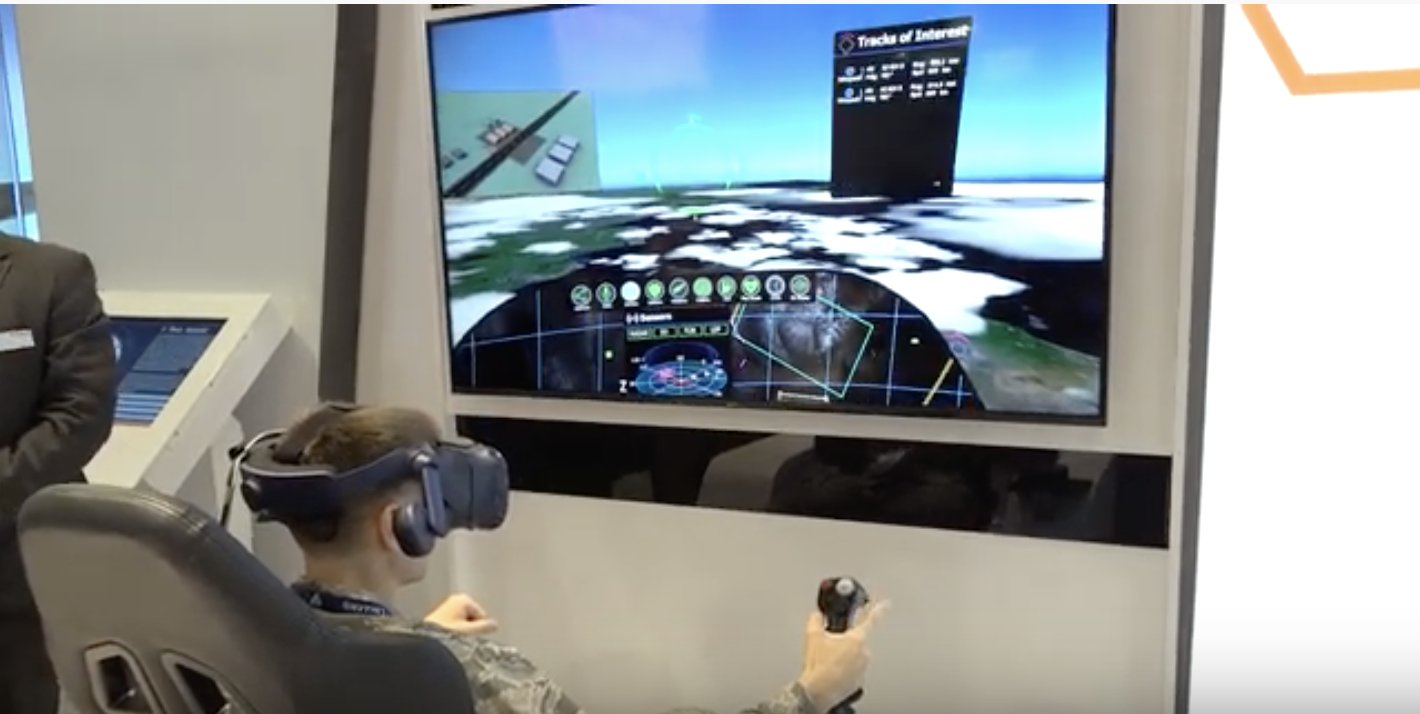
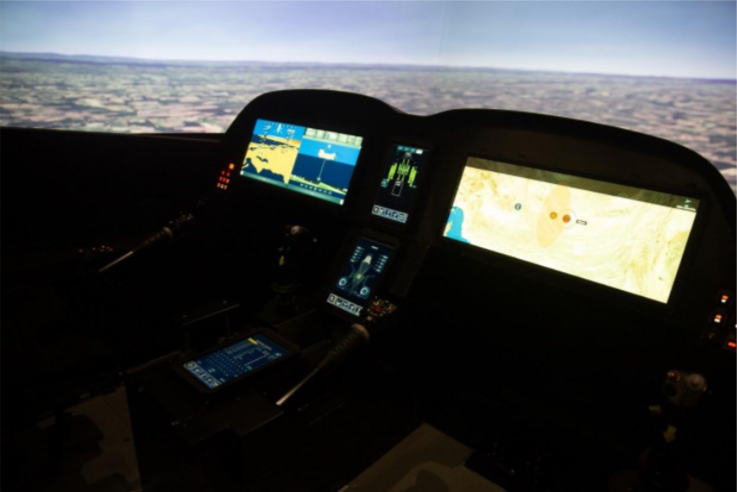
In this video BAE discusses a new cockpit control system, designed with an eye on next generation fighters that may be flying in 2030.